🎯 Target Audience
This post is for young adults (18–30), especially college students and military members like me, who are constantly on social media but don’t always think about how content is selected for us.
💡 Why This Matters
Social media is designed to be distracting. By default, most people have Facebook, Instagram and TikTok open at the same time all the time, mindlessly scrolling through them. But have you ever noticed that it never feels like you’re scrolling for nothing – that there’s always something new on your screen? This seems natural too, until you understand how content is really organized on your feed. It’s not random! It’s carefully curated and optimized for your maximum engagement.
Helping the Average Joe Through the Average Digital Mess.
We do indeed fact check online information. But once we get under the skin of the logics that shape our experiences online, our interactions with the web change in some fundamental ways.
⚙️ What Is an Algorithm and Why Should You Care?
Did you know that on Facebook, Twitter etc there exists an algorithm that decides what should go into your feed! Here’s how it works!
- 👉 Think of it like this:
- Every like, comment, share, or even pause tells the platform what you’re interested in.
According to the Pew Research Center, social media users are often unaware of how heavily algorithms influence what they see online.
🔁 What It Tracks:
- What you like ❤️
- What you watch fully 👀
- What you comment on 💬
- Even what you hesitate on ⏸️
🚨 The Problem: Engagement > Truth
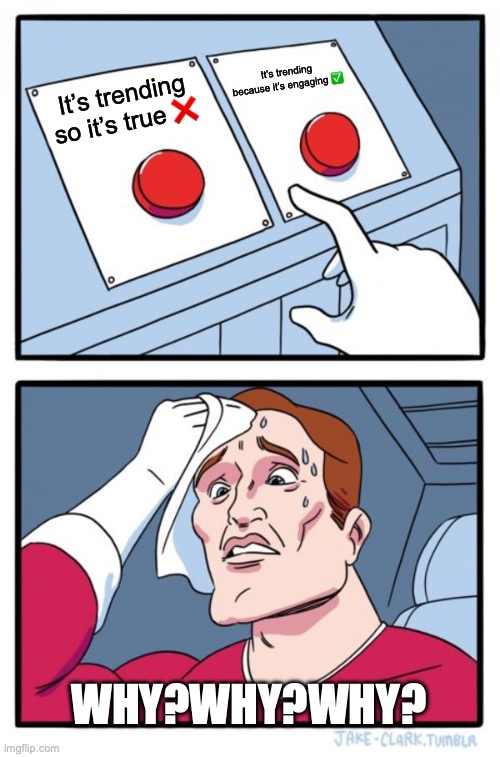
Social media platforms are designed to maximize engagement, not accuracy!
Research from MIT Sloan School of Management found that false news spreads faster than true news online.
👉 Why? Because:
- Emotional content travels faster
- Outrage gets more interaction
- Shocking posts get shared more
That means misinformation doesn’t have to be true, it just has to be “engaging”.
🧠 The “Echo Chamber” Effect
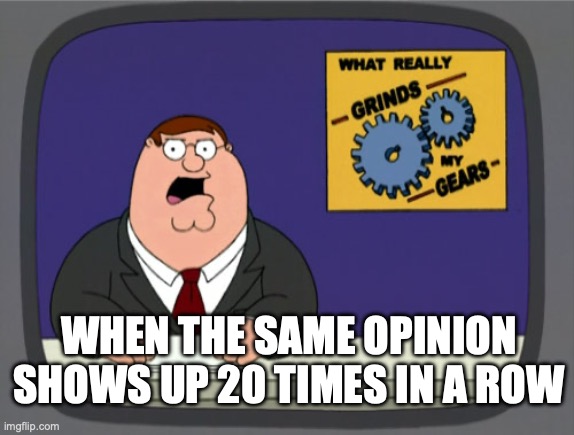
Over time, your feed becomes repetitive.
This creates an echo chamber. A space where you only see ideas that match what you already believe.
🔊 What That Looks Like:
- Same opinions over and over
- No opposing viewpoints
- Everything feels “confirmed”
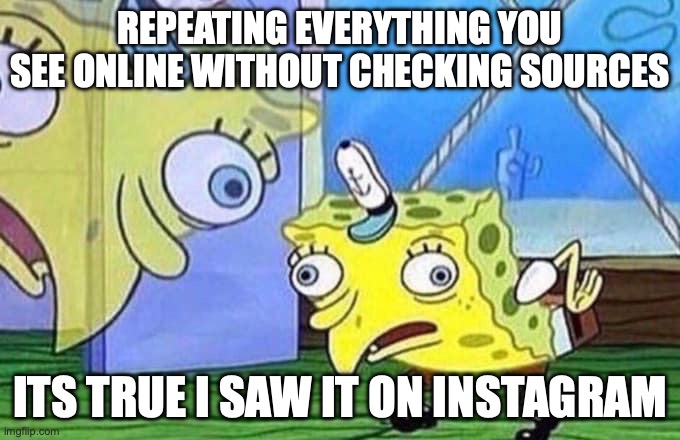
The Stanford History Education Group emphasizes that people need to actively verify information across sources instead of relying on a single feed.
🤖 Bots, Fake Accounts & Manipulation
Not everything you see comes from real people.
Some content is amplified by:
- Bots 🤖
- Fake accounts
- Coordinated campaigns
Platforms like the Meta Transparency Center explain how ranking systems prioritize content, but these systems can still be manipulated.
📱 Real-Life Example
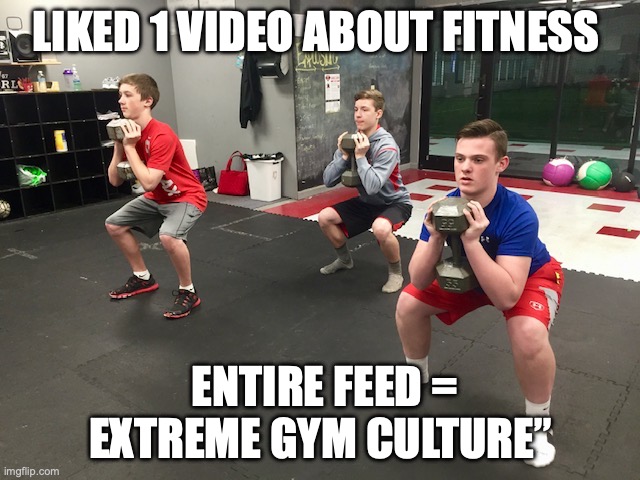
I watched one video about a controversial event the recently happen, and……… All on my for me page are videos of people speaking on the topic.
But really?
👉 The algorithm is just feeding you more of the same.
🛠️ How to Take Back Control
You’re not stuck. You can push back.
🔄 Reset Your Feed
Engage with different content intentionally.
🔍 Practice Lateral Reading
Open new tabs. Check multiple sources.
⏸️ Pause Before Sharing
Ask:
- Who benefits from this?
- Is this trying to trigger emotion?
🧠 Understand the System
Awareness alone makes you harder to manipulate.
🎯 Why I Chose This Topic & Format
I chose this topic because social media is part of everyday life for my audience.
I used a blog format because:
- It’s easy to follow
- It feels conversational
- It allows me to mix explanation with visuals and examples
This approach makes complex ideas simple and relatable.
😂Meme Time😂


🧠 Final Thought
Social media isn’t just showing you content. It’s shaping your reality!
The goal isn’t to stop using it.
The goal is to understand it.
Because once you understand the system…
👉 it stops controlling you and you learn to put your phone down!


Leave a comment